Discover Crete
History, culture, arts and food from the island we call home.
Crete isn't just the backdrop to our wedding. It's home. We live in Heraklion, on an island with thousands of years of history, its own dialect within the language, its own songs, and a cuisine studied around the world. What follows is a short, sourced tour for anyone who'd like to know a little more about the place before they visit.
A few of the people who shaped how the world sees Crete: statesmen, writers, painters and musicians, all tied to the island we call home.
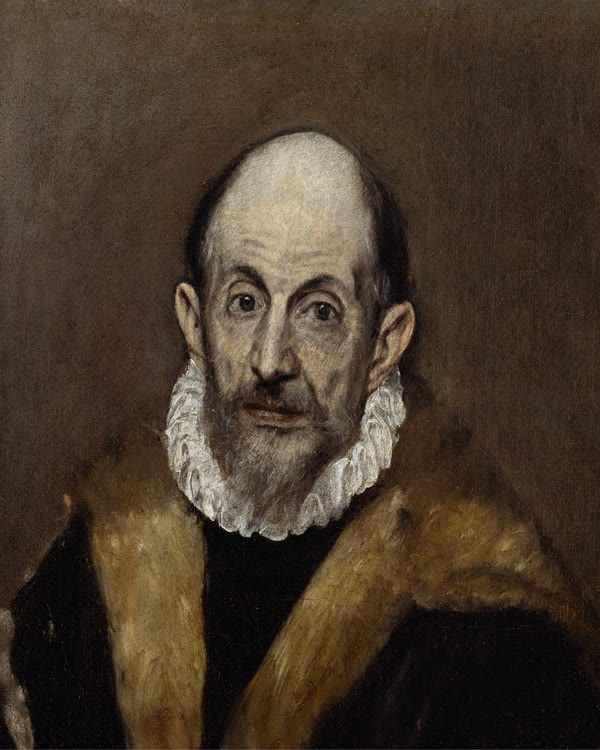
Domenikos Theotokopoulos (El Greco)
Born near Heraklion, in Fodele, next to the Byzantine Church of Panagia that inspired him. He trained in the Cretan School of Iconography in Venetian-era Candia, moved to Venice to study under Titian, and in 1577 settled in Toledo, Spain, where he became one of history's great painters, though his unconventional style repeatedly drew scrutiny from the Spanish Inquisition. He died in Toledo in 1614, never fulfilling his often-stated wish to revisit Crete.
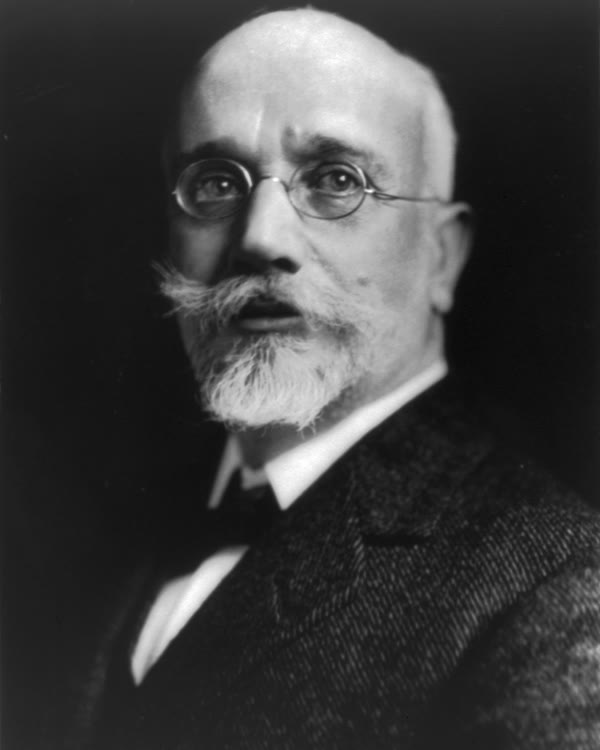
Eleftherios Venizelos
Born in Mournies, near Chania, he was the central political figure of Crete and Greece in the early twentieth century. He led the movement for Cretan autonomy and its union with Greece in 1913, and served as Prime Minister of Greece seven times. His grave sits on a hilltop above Chania, beside that of his son Sofoklis, also a prime minister, with a panoramic view over the city and sea.
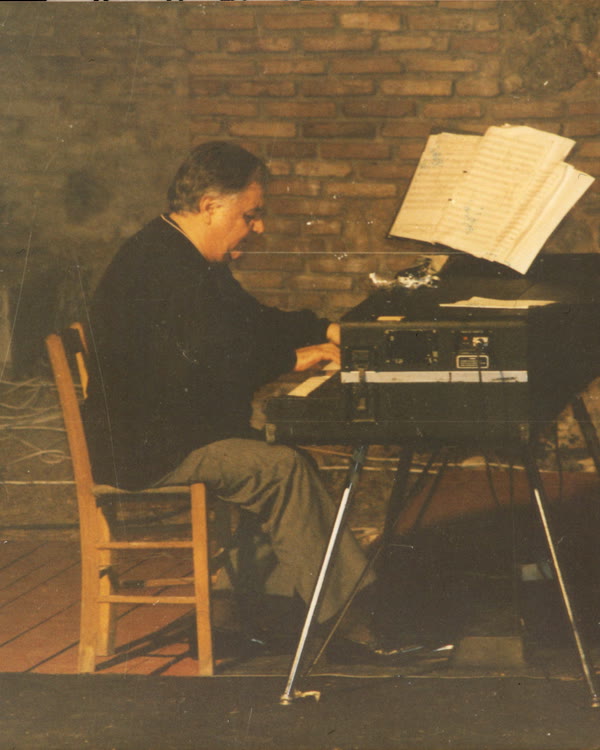
Manos Hatzidakis
Composer, one of the most important figures in the history of Greek music. His father's family came from the village of Myrthios, in Agios Vasileios, Rethymno, Crete. Alongside Mikis Theodorakis, he's regarded as a defining voice of "éntekhno" song, and he founded the Orchestra of Colours. In 1960 he won the Academy Award for Best Original Song for "Never on Sunday," but refused to accept it because he felt the film misrepresented Athens.
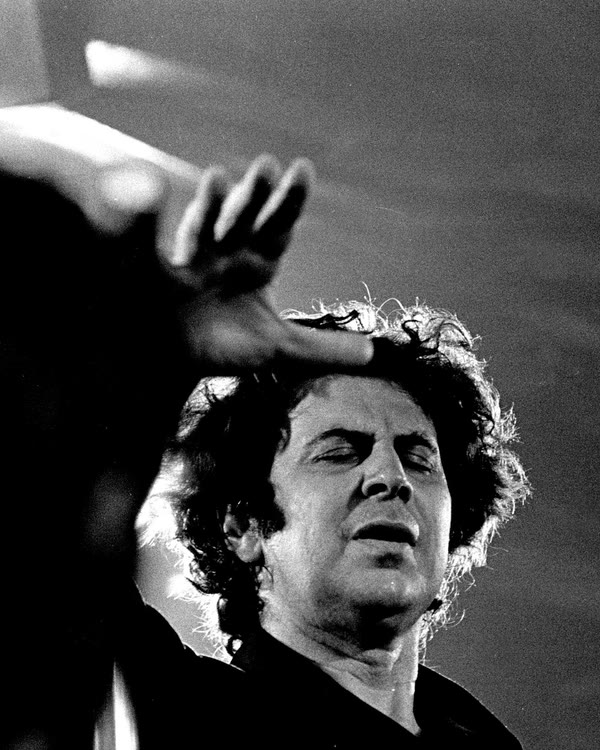
Mikis Theodorakis
Composer and lyricist credited with more than 1,000 works, known worldwide for the score of Zorba the Greek and "Zorba's Dance." Born on Chios, he had deep Cretan roots: his father came from the village of Galatas near Chania, and in 1950 he moved to Crete, where he became head of the Chania Music School and founded his first orchestra. His song cycle Epitaphios helped transform Greek music, and he was a leading voice against the 1967–1974 junta, which imprisoned him and banned his songs. He died in 2021, aged 96.
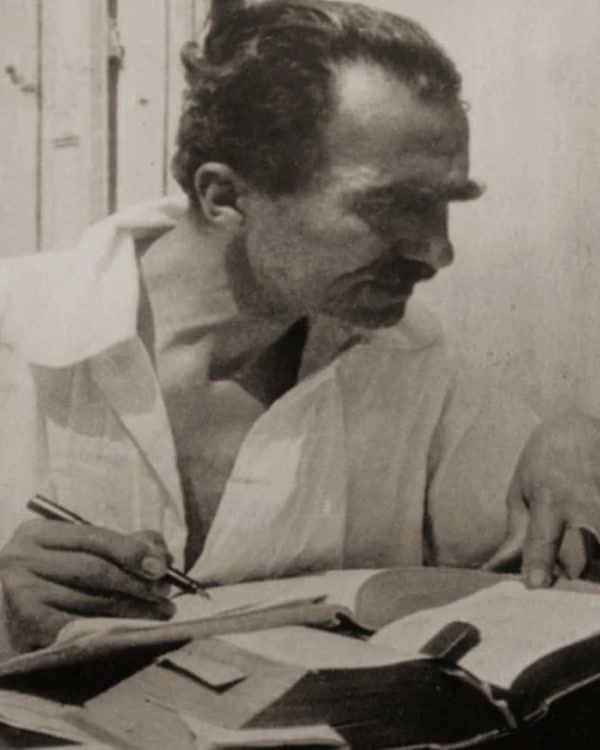
Nikos Kazantzakis
Born in Heraklion while Crete was still under Ottoman rule. He studied law in Athens and philosophy in Paris under Henri Bergson. He regarded himself primarily as a poet. His magnum opus, The Odyssey: A Modern Sequel, runs to 33,333 verses. He's best known internationally for novels including Zorba the Greek, The Greek Passion, Report to Greco and The Last Temptation of Christ. His tomb sits on Heraklion's Venetian Walls, inscribed with the epitaph he chose himself: "I hope for nothing. I fear nothing. I am free." The Kazantzakis Museum is in Myrtia, his family's village.
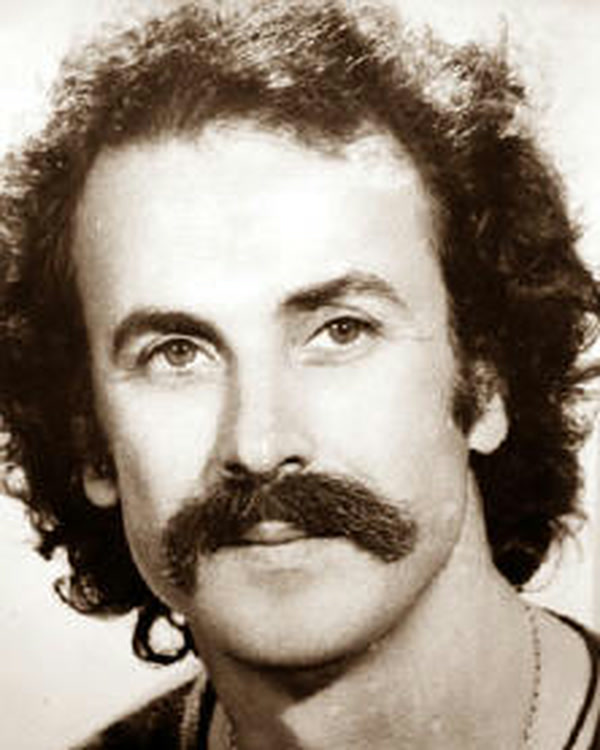
Nikos Xylouris
Singer and Cretan lyra player, also known as "Psaronikos." Born in Anogeia, a village on the slopes of Mount Ida, and raised alongside two equally celebrated musician brothers, Psarantonis and Psarogiannis. He got his first lyra at twelve, and at seventeen moved to Heraklion, where he performed at the "Kastron" venue. He recorded his first record in 1958, despite the record label's initial doubts about the commercial prospects of Cretan music. He blended traditional Cretan music with éntekhno song and is remembered as one of Crete's most important voices. He died in Piraeus in 1980, aged just 43.
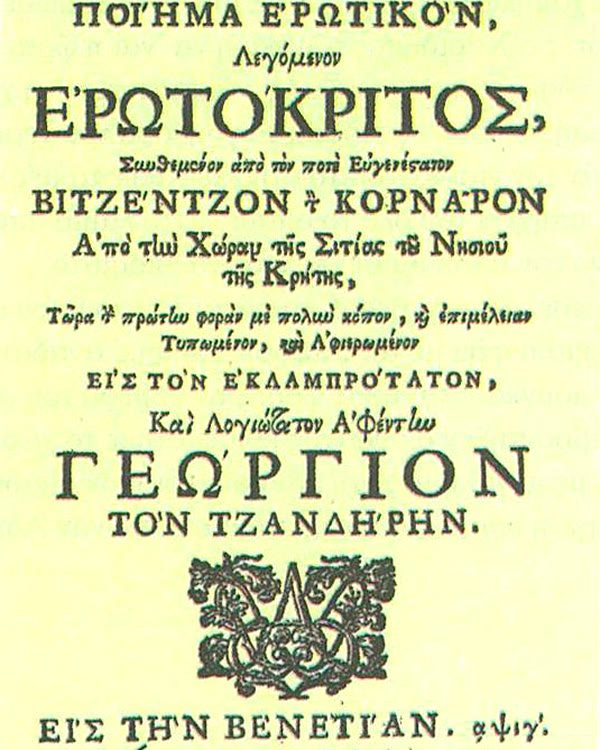
Vitsentzos Kornaros
A poet and one of the leading figures of the Cretan Renaissance. Born in Trapezonda, Sitia, into a Venetian-Cretan family, he spent most of his life in Chandaka (present-day Heraklion), holding public office there. His masterpiece, Erotokritos (10,012 rhyming fifteen-syllable verses written in the Cretan dialect, in the same form as a mantinada), tells the love story of Erotokritos and Princess Aretousa across five parts: Love, Bravery, Ordeal, War, Redemption. It was immediately embraced by ordinary people as "a guide for life," and is still taught and performed today.